
-

Final HRJust Dinner in Brussels with EU and Civil Society Partners
A final dinner in Brussels as the HRJust project approaches its ending. The evening brought together the researchers and members of the HRJust team alongside EU actors, civil society representatives, resea. Over dinner, we reflected on the relationships, exchanges, and collaborative efforts that have shaped the project throughout its journey. We are grateful for the…
-

Final Dissemination of HRJust Project, in Brussels
On the 28th of May, HRJust held the Final Conference of the project, where we presented our research on the gaps in regulations and the effects on the individual human rights protection that appears when States are using Human Rights to Justify their actions and decisions. The results of the project were disseminated to public…
-
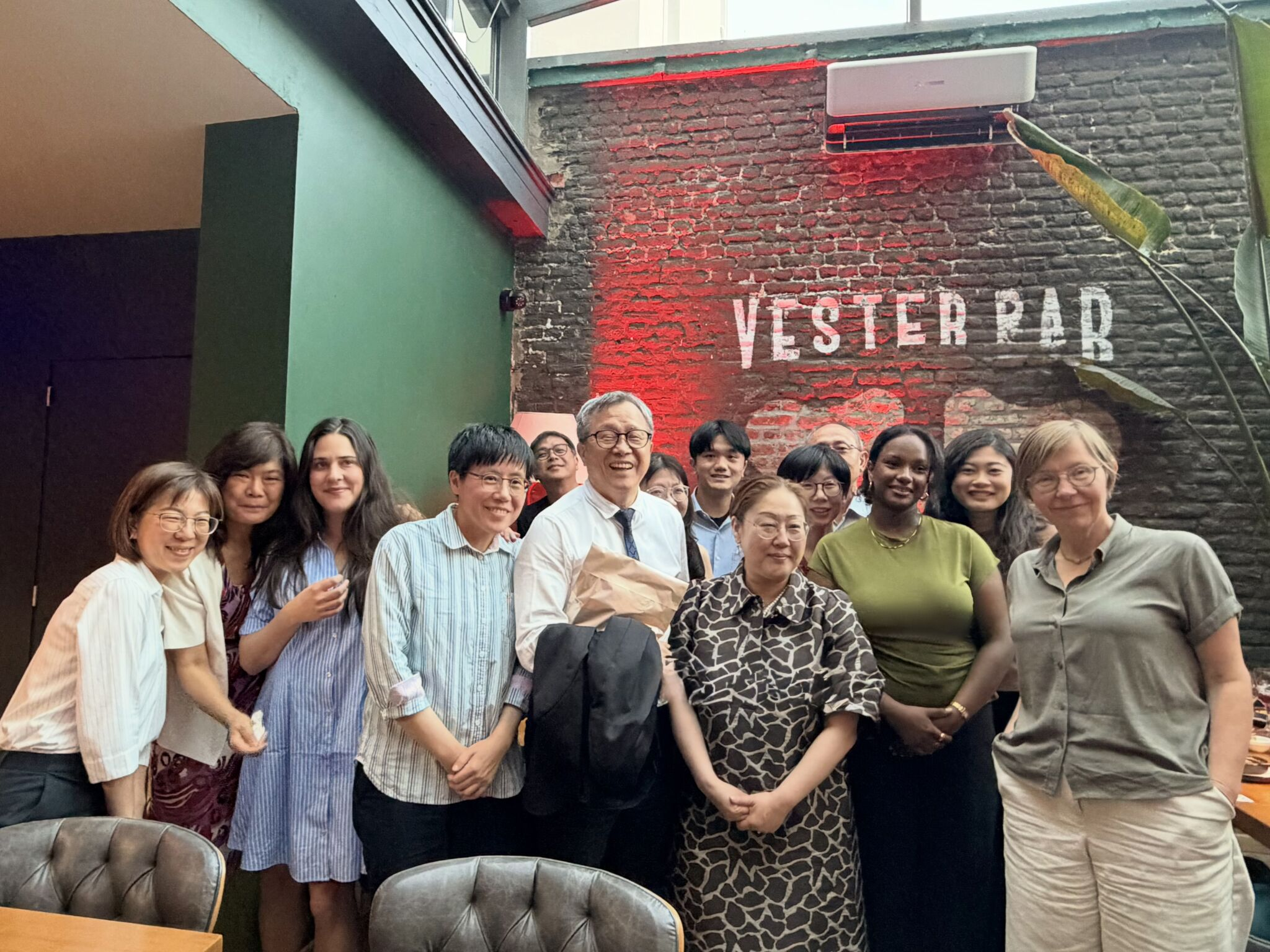
Dinner with the Taiwanese Ambassador, Shieh Jhy Wey, in Brussels
An evening of meaningful conversations in Brussels. We are grateful to the Taiwanese Ambassador, Shieh Jhy Wey for hosting HRJust for dinner with great food and lovely conversations. Thank you for a memorable evening.
-

HRJust Film Presented for The National Board of Health and Welfare in Sweden
On the 18th of May, HRJust presented our film to representatives from The National Board of Health and Welfare (Socialstyrelsen), including investigators, legal experts, and policy specialists working with guidance materials on how authorities apply new legislation affecting children and young people. The conversation centered on a difficult but necessary question: what happens when laws…
-

HRJust WP 4 Report the Rights of the Child during the COVID-19 Pandemic vulnerability, intersectionality, and human rights justifications: A Civil Society Perspective
This report examines the human rights and children’s rights implications of the COVID-19 responses in Sweden and Finland, focusing on the balance between conflicting constitutional and human rights and the national structures for civil society engagement during emergencies like the pandemic. Both countries faced the challenge of protecting public health during the pandemic; however, children,…
-

Memo: A Suggestion of HRJ Typology
Based on our review of Taiwan’s state reports under the six UN human rights conventions it has ratified or domesticated (ICCPR, ICESCR, ICERD, CEDAW, CRPD, CRC), we identify three distinct patterns of human rights justification (HRJ) in the State’s responses to allegations of rights violations, grounded in the dichotomy between State action and inaction (Types…
-

Inclusive Democracy, Reflecting Gender and Intersectionality, The Rings-on-Water methodology and the Complex Intersectional Critique as a single, mutually anchored
Deliverable 7.5 responds to the Horizon Europe Grant Agreement’s request for a report on Inclusive Democracy, reflecting gender and intersectionality. The deliverable is composed of two mutually anchored component studies. D 7.5-A develops the Rings-on-Water (RoW) methodology through which HRJust conducted civil-society engagement across Sweden and Taiwan, and articulates the epistemological warrant that grounds that methodology…
-

HRJust Film Screening at Save the Children Event Highlights Importance of Youth Participation
Last week, at Barnrättsdagen 2026, organised by Rädda Barnen / Save the Children Sweden, youth featured in our film “Migrant Children: The Innocent Victims of Sweden’s War on Gangs” shared their reflections on recent and proposed policies affecting their lives. They spoke about laws targeting children and young people including proposals around criminalising “disrespectful” behaviour…
-
A Report on How Human Rights Organisations Respond to the Use of Human Rights Justifications in Swedish Legislative Preparatory Works, Maria Nääv & Haidar Al-amirtaha
Summary This report examines how Civil Society in the form of human rights organisations responds to Human Rights Justifications (HRJs) through the consultation process for two recently presented legislative inquiry reports: Ds 2024:30 and SOU 2024:93. HRJs are when the State uses human rights to justify its own decisions and actions. The purpose of human…
-

HRJust Early Alert — April to August
A new round of public consultations is open, highlighting goverment inquiries and proposals that may have implications for human rights in Sweden. This curated list points to current state inquiries where civil society voices are both relevant and needed. Even if your organization has not been formally invited to respond, you still have the opportunity…
Tag /